API authentication testing

Overview

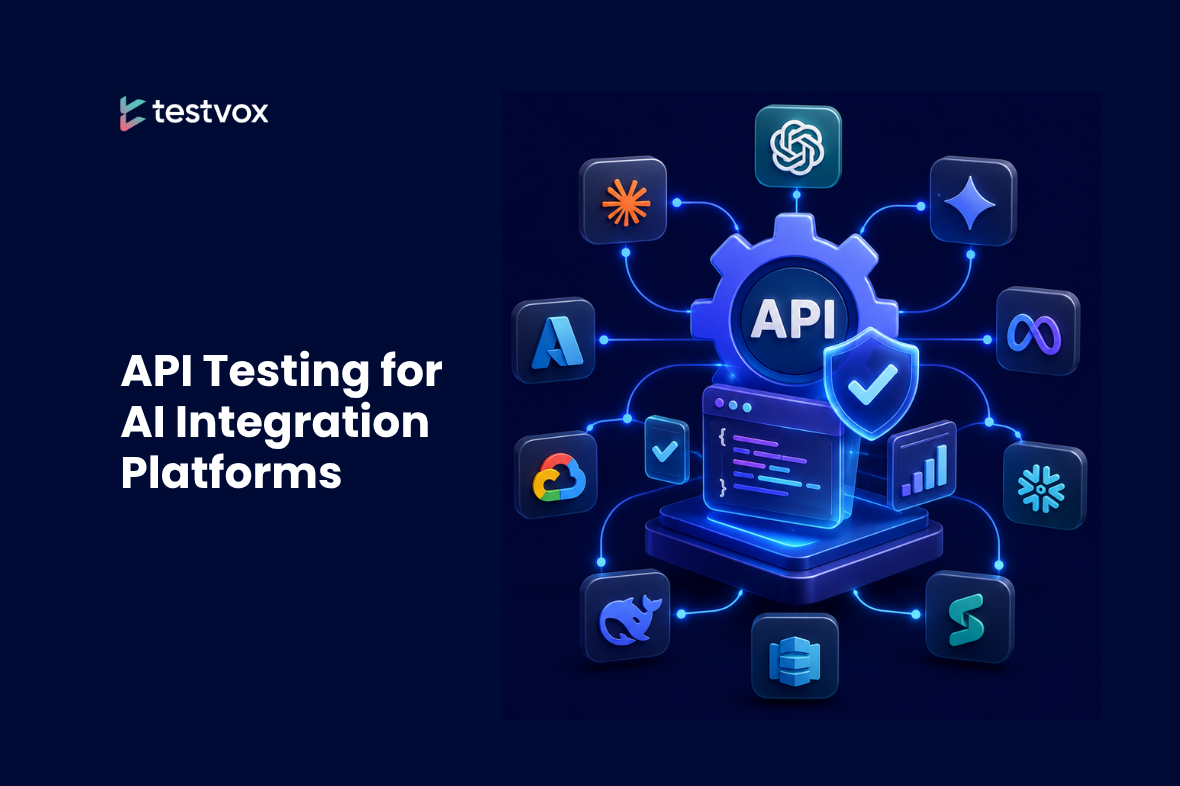
Composio.dev is an artificial intelligence integration platform that allows applications and AI agents to interface with 250+ third-party applications in the form of Slack, GitHub, Gmail, and Monday.com through an unified layer of API.

The platform makes integration easy since it coordinates authentication, API execution, and workflow coordination to external services.

Being a member of the QA department, We were engaged in API and authentication testing in order to guarantee the safety of communications between Composio and the integrated applications. It was concerned with the testing of API endpoints, Authentication, and response accuracy as well as error handling to ensure that integrations between various services remain stable.

Challenges

  • Large Number of Integrations. The 250+ external applications that APIs were tested on had to be well covered so that all integrations would have the same functionality.
  • Various Authentication Mechanisms. Various authentication methods were applied like:
    API keys,OAuth authentication,Token-based access.
    It was essential to be able to guarantee successful authentication in all integrations with high security.
  • Dynamic API Responses Most APIs were able to handle variable or nested response structures, and thus needed a flexible validation logic.
  • Error Handling and dealing with edge cases. The testing was required to include the following scenarios:
    Invalid parameters, Unauthorized requests, Rate limiting, Failed integrations

Our Solution

In order to overcome these difficulties, a formal API testing strategy was adopted.

  1. Comprehensive API Testing
  2. GET/ POST /PUT/ DELETE End-to-End API testing to test integration behavior and functionality.

  3. Authentication Validation
  4. Authenticated workflows are tested to make sure that connected applications and authorized situations like invalid identities, token expiry, and insufficient authorization are achieved.

  5. The Automated Response Validation.
  6. Automated classifier of API responses with used postman scripts, to verify: Correct status codes, The anticipated response structures, Data consistency.

  7. Integration Testing
  8. Verified connections with the external applications to ensure the requests made caused appropriate actions and received the appropriate reply.

  9. Defect Tracking and Collaboration.
  10. Reported API bugs and worked with the development team fixing bugs and making integration more stable.

Result

Robust API Reliability

Ensures consistent and dependable performance across 250+ integrations without disruptions.

Enhanced Authentication Security

Strengthens authentication mechanisms to provide improved protection and secure access control.

Optimized Data Exchange

Delivers higher-quality API responses and seamless data interchange for improved system communication.

Faster Defect Resolution

Accelerates defect identification and resolution to maintain smooth and efficient operations.

Stable AI Workflow Integration

Improves the stability and reliability of AI-powered workflow integrations for consistent performance.

Conclusion

The platform was integrated with a vast number of third-party applications to a stable and secure level through extensive API and authentication testing. The organized method of testing assisted in maintaining the steady behavior of API, credible authentication, and proper data interchange, which allowed Composio.dev to accommodate scalable AI integrations and automation procedures.

Related Resources